Tradition
Shrine shoot — quick answer
You do not need to hold a ceremony. The half-day Photo Collection package covers one shrine setting, full traditional dress — shiromuku or iro-uchikake for the bride and montsuki-hakama for the groom — traditional hair styling, professional dressing, the shrine’s photography permission and its fee, multilingual planning and 50 retouched photographs. Signature adds a 90-second 4K film and a vertical reel for ¥380,000. Japanese tax is included, and the price is the same in Tokyo and Kyoto.
Half-day, 50 retouched photographs
90-second 4K film and vertical reel
Western gowns are not permitted on most shrine grounds
Shrine permit and fee inside the package
A shrine setting can stand alone as your whole shoot, or become one of the two locations in a Premium Full Day at ¥500,000 — traditional in the morning, contemporary in the afternoon.
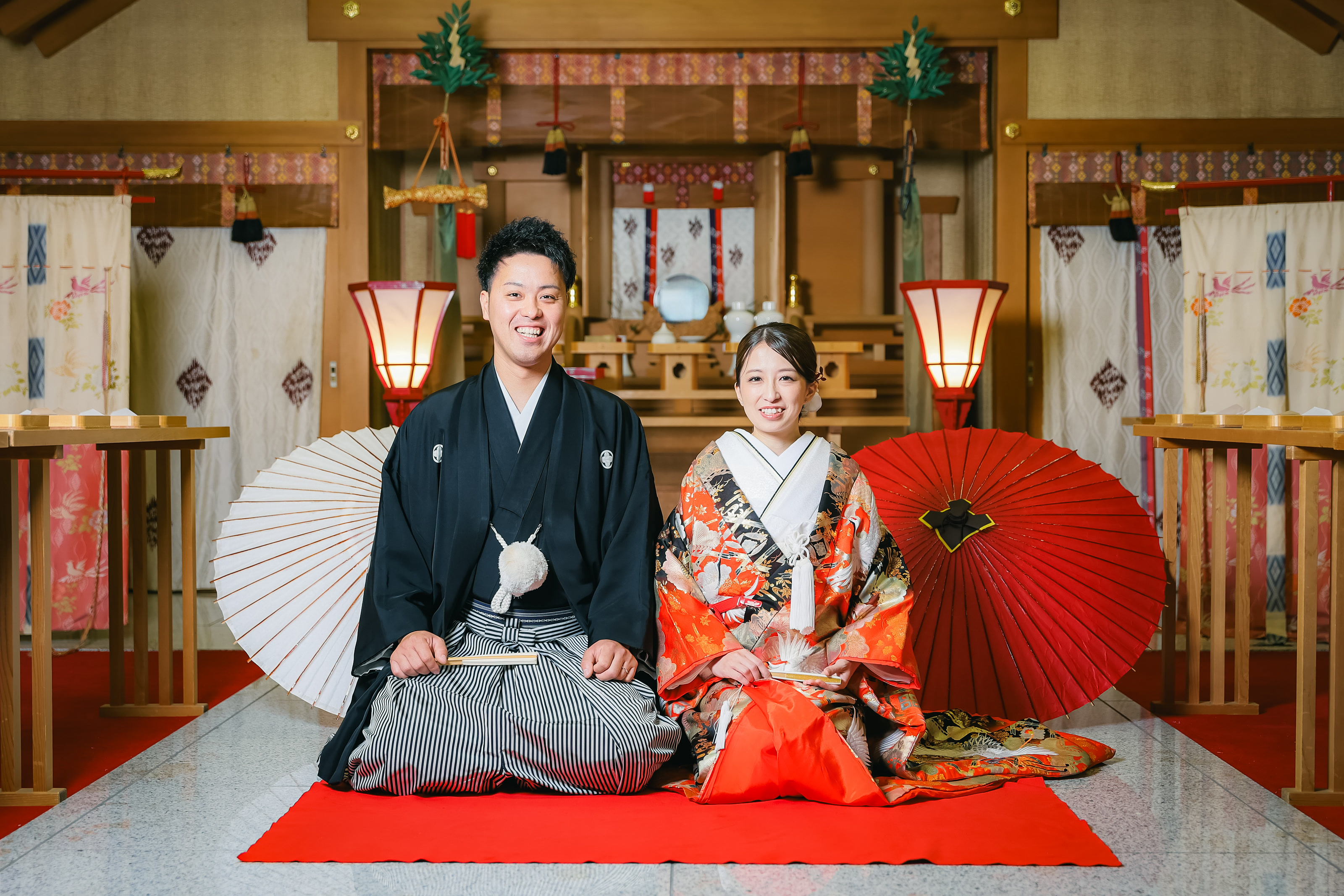
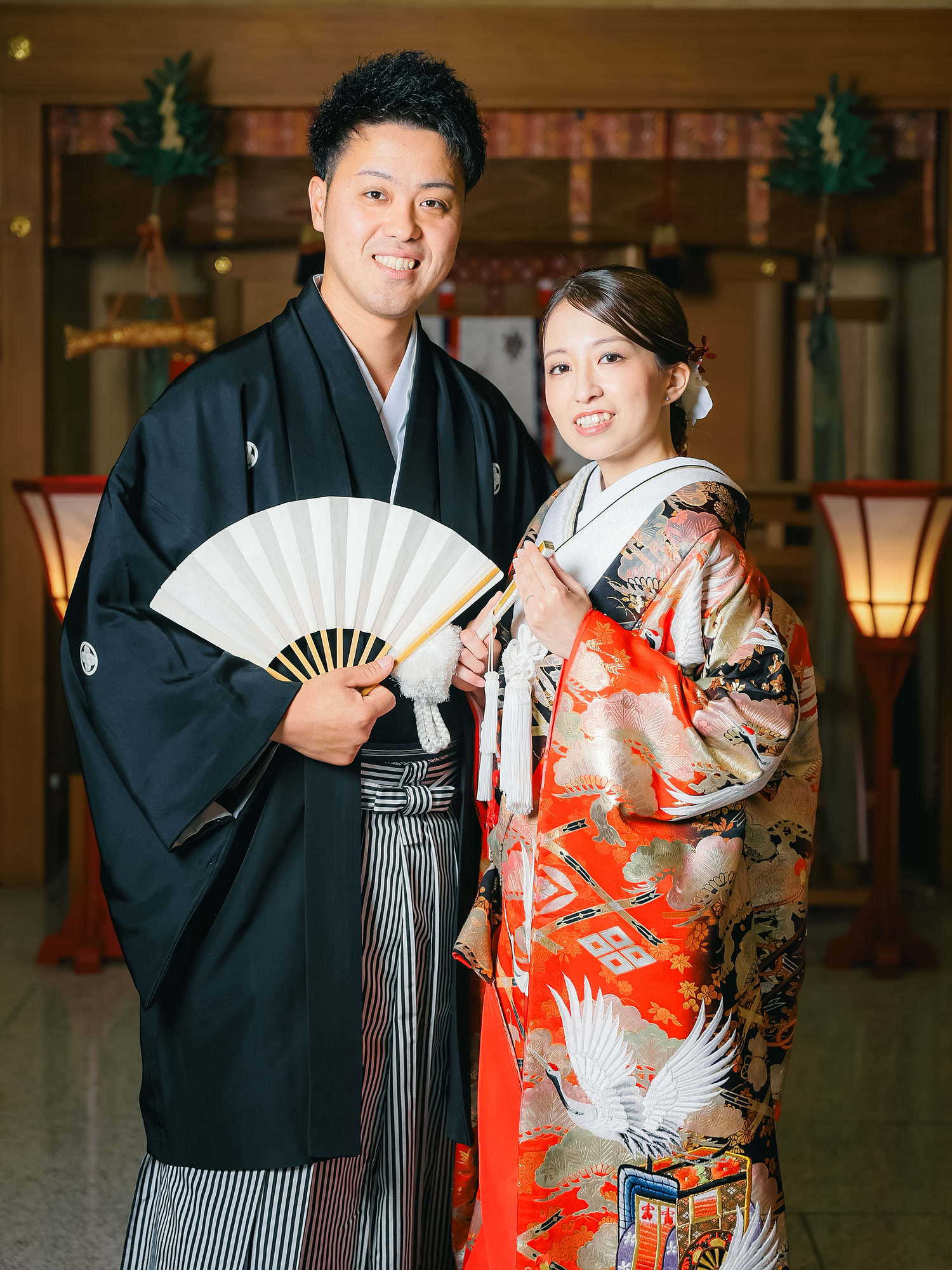
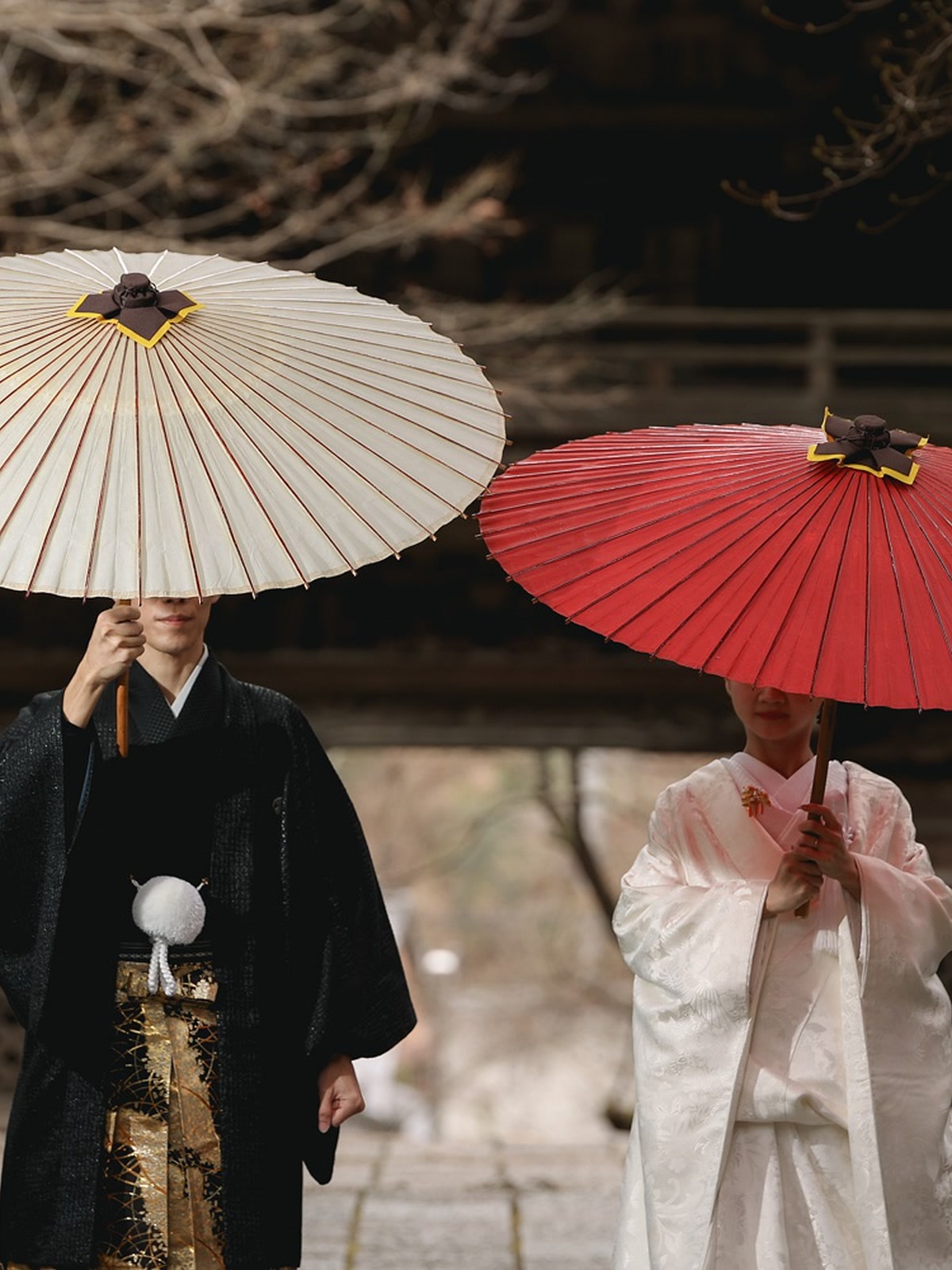
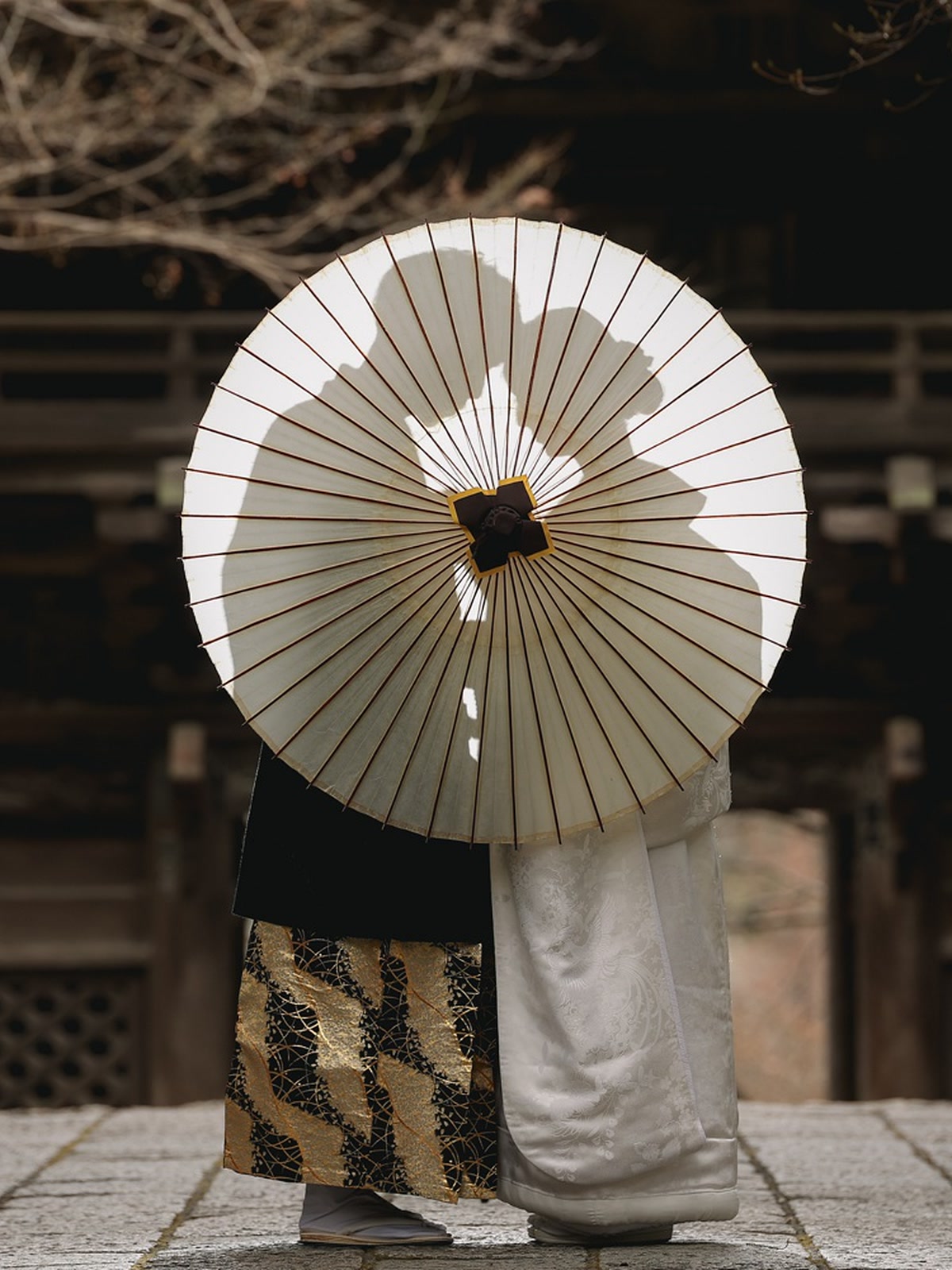
You do not need a ceremony to be photographed in the full tradition. In white shiromuku or a richly embroidered iro-uchikake, against cedar halls and vermilion gates, a shrine shoot is the most distinctly Japanese portrait there is.
Selected work — TAMAKI
Selected work — TAMAKI
Selected work — TAMAKI
Good to know
Most shrines welcome photography in traditional dress but do not allow Western wedding dresses on the grounds. We plan your looks accordingly — kimono at the shrine, dress elsewhere.
Shrines require permission and follow their own rules and hours. We apply for the permit, pay the shrine's fee as part of your package, and guide you through the etiquette on the day.
Shiromuku or iro-uchikake, traditional hair styling or a wataboshi hood, and the groom's montsuki-hakama — dressed properly by professionals.
A shrine setting can be the heart of your Signature shoot, or one of two locations in a Premium Full Day.
Planning
A shrine shoot is the one setting in Japan where the rules matter as much as the light. These are the four decisions that shape the day.
Both are the same price. Tokyo shrines sit inside the city, so a shrine morning and a contemporary afternoon fit in one day. Kyoto gives older wood, moss and stone approaches, but its temples and preservation districts apply stricter photography rules — we confirm each setting before promising it.
Shrine approaches are calm at opening and busy by mid-morning. We start early. It is the single change that most affects how your photographs look, and it costs nothing.
With shiromuku, the bride wears either a wataboshi hood, which frames the face softly and hides the hair, or a tsunokakushi band, which shows the traditional hairstyle. Iro-uchikake — the coloured, embroidered outer robe — is worn with tsunokakushi. We decide this with you before the day, because it changes every portrait.
Covered halls, gates and approaches make shrines the most weather-resistant setting we offer, and wet stone photographs beautifully. We only move a date for an official weather warning or a full stop in transport.
Before you choose
Send your travel dates and whether you picture shiromuku or iro-uchikake. We will confirm which shrines can be arranged for those dates, what the permission allows, and the all-in total.
Tell us your dates and the scenery you dream of. We reply within 24 hours — in simple, clear English.
How would you like to reach us?
We reply within 24 hours, in clear English.
